The spirituality of the Canossian Institute is a gift of God entrusted to St. Magdalene of Canossa for the service of the Church. Its foundation is the living of the two great commandments of love in the spirit and imitation of Jesus Christ Crucified and Mary, Mother of Charity
Mary, Mother of Charity, at the foot of the Cross, is recognized as the true Mother and Foundress of the Institute. Guided by Mary, Mother of Sorrows, we strive to live with a spirit of charity, humility, gentleness, zeal, courage, generosity, and patience in serving others.
Jesus Christ Crucified
The spirituality of the Canossian Daughters of Charity is deeply centered on Christ Crucified, who is the living source of our charism, mission, and identity. Inspired by St. Magdalene of Canossa, the congregation contemplates Jesus on the Cross as the supreme expression of God’s love for humanity. In Christ Crucified, the sisters discover the fulfillment of the two great precepts of charity — the love of God and the love of neighbour. This spirituality forms us to become true “Daughters of Charity, Servants of the Poor,” dedicating our lives to making Jesus known and loved throughout the whole world.
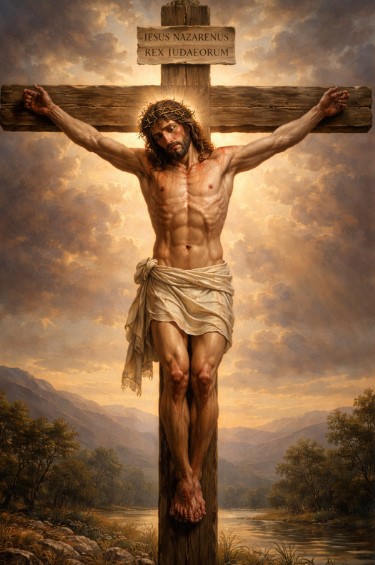
Gazing upon the Cross, the sisters encounter the “God alone” who emptied Himself in poverty, humility, and obedience unto death. Jesus Crucified reveals the heart of the Father through His tender, reverent, and filial love. His total self-giving becomes the model for every Canossian sister, calling her to live with simplicity, sacrifice, zeal, gentleness, sweetness, courage, and generosity in service of others.
At the foot of the Cross, the Canossian Daughter learns the true meaning of charity. Charity is not merely an act of service, but a way of being — loving as Christ loved. Through attention, thoughts, words, labour, care, and compassion, the sisters are called to respond to the cries of humanity. Our spirituality urges us to become “most amiable, most patient, and most generous,” reflecting the merciful face of Christ in every mission entrusted to us.
The Cross also reveals the path of the virtues that shape the Canossian spirit: poverty, humility, obedience, fortitude, zeal, and gentleness. Christ emptied Himself and took the form of a servant; therefore, the sisters are invited to embrace a humble and hidden life, serving without seeking recognition. Their obedience becomes an offering of love, and their humility opens them to live in communion with God and with the poor.
The spirituality of Christ Crucified naturally leads the Canossian Daughters toward the salvation of souls and the glory of God. Rooted in contemplation, they go forth into the world to proclaim the love of Jesus through concrete works of charity. Our mission extends through education, catechesis, pastoral ministry, care of the sick, social service, youth ministry, and evangelization. In every apostolate, they strive to “look and do like Jesus,” bringing His compassion to all, especially the poor, abandoned, and marginalized.
The spirituality of the Canossian Daughters of Charity can therefore be understood as a spirituality of Crucified Love — a life rooted in “God alone,” nourished by prayer, strengthened by charity, and expressed through humble service. It is a spirituality that seeks to make Jesus known and loved, so that through every act of kindness and every work of charity, the world may experience the saving love of Christ Crucified.
Mary, Mother of Charity
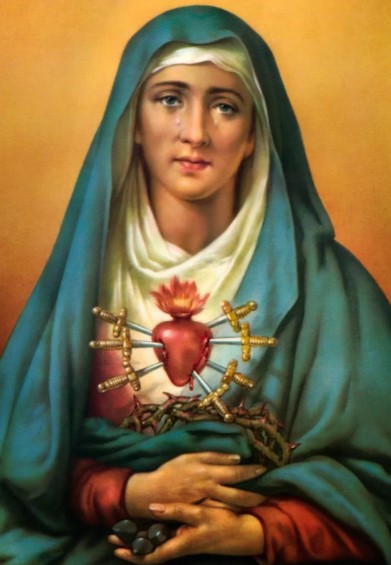
The Canossian spirituality is profoundly Marian. Mary, Mother of Sorrows, standing faithfully at the foot of the Cross, is the perfect model for every Daughter of Charity. From Mary, the sisters learn silence, fidelity, courage, humility, and compassionate love. Like her, they are called to remain close to the suffering Christ present in humanity and to serve with maternal tenderness and generous charity.
Mary, Mother of Charity, at the foot of the Cross, is recognized as the true Mother and Foundress of the Institute. Guided by her example, the Canossian Daughters of Charity strive to live a spirit of charity, gentleness, zeal, courage, generosity, patience, and loving service toward all, especially the poor and suffering.
Life of Prayer and the Evangelical Vows in the Canossian Spirituality
Life of Consecration
Consecration is a gift of God offered to us so as to "search for the glory of God" and the salvation of all. God establishes a covenant of love with us³ and this covenant enables us to live our baptismal commitment in a radical way. The new bond of religious consecration makes us a prophetic sign of God's unconditional love for the Church and for the world.
The vocation to religious life is a loving response to God’s call. It is a sacred journey in which a person freely chooses to belong totally to God and to participate in His mission of love and salvation. In the spirituality of the Canossian Daughters of Charity, the life of prayer and the vows of chastity, poverty, and obedience are not merely religious obligations, but expressions of a deep relationship with God rooted in Christ Crucified. Through these vows, the sisters seek union with the Lord and dedicate themselves completely to making Jesus known and loved.
At the center of Canossian spirituality is the conviction that “the fullness of love is only in God.” Every sister is invited to encounter God personally through prayer, silence, faith, sacrifice, and surrender. Prayer becomes the foundation of religious life because it keeps the heart united with God and attentive to the movements of the Holy Spirit. A life of prayer enables the sisters to listen to God’s voice, discern His will, and respond generously to His call. Through meditation, Eucharistic adoration, contemplation of Christ Crucified, and devotion to Mary, Mother of Sorrows, the sisters nourish their spiritual life and deepen their communion with God.
The three evangelical vows — chastity, poverty, and obedience — are inseparable from this life of prayer. They are paths of freedom, self-emptying, and total surrender to God.
The vow of chastity is a call to love with an undivided heart. It is not simply renunciation, but the offering of one’s entire being — body, mind, soul, emotions, desires, and affections — to God. Through chastity, the Canossian sister seeks to love as Christ loved: freely, purely, tenderly, and universally. Chastity creates space in the heart to embrace everyone with compassionate love, especially the poor and abandoned. Rooted in faith and sacrifice, this vow becomes a witness that God alone can satisfy the deepest desires of the human heart.
The vow of poverty reflects the life of Jesus who became poor for the sake of humanity. In the Canossian spirit, poverty is lived through simplicity, detachment, humility, and trust in Divine Providence. The sisters renounce personal possessions and worldly attachments in order to imitate Christ more closely and remain available for mission and service. Poverty teaches them to depend entirely on God and to live in solidarity with the poor. It is a spirit of surrender that frees the heart from selfishness and opens it to generous charity.
The vow of obedience is the loving acceptance of God’s will. Following the example of Christ who was obedient unto death, the sisters seek to surrender their personal desires and choices to God’s greater plan. Obedience requires attentive listening to the Holy Spirit, openness to mediation through superiors, circumstances, and events, and a willingness to serve wherever needed. It is an act of faith and humility through which the sister allows God to guide her life completely. Through obedience, she experiences true freedom — the freedom to love and serve according to God’s will rather than her own.
These three vows demand and sustain a profound life of prayer. The Canossian Daughter of Charity is therefore called to be a woman of prayer, sacrifice, charity, and joyful service. Rooted in Christ Crucified and inspired by Mary at the foot of the Cross, she lives her vocation with faith, courage, and generosity. Through her life of prayer and the faithful living of the vows, she becomes a living witness of God’s love in the world and a servant of the poor, bringing hope, compassion, and the presence of Christ to all she encounters.